One community spirit

Tata Steel nurtures strong relationships with communities, customers, partners, and employees, fostering trust, inclusivity, and shared progress, creating enduring value through responsible engagement and a deep commitment to societal well-being.

Tribal Leadership Programme

Social Capital

At Tata Steel, social value creation is integral to long term business success. Operating in regions marked by both opportunity and vulnerability, the Company recognises that its growth is inseparable from the resilience, agency, and well-being of surrounding communities. This conviction drives a community engagement approach that is locally rooted, evidence driven, and designed for scale.

In FY2025-26, Tata Steel's social initiatives, implemented through Tata Steel Foundation (TSF), reached millions of individuals across Jharkhand, Odisha, Maharashtra, West Bengal, and other parts of India. These programmes delivered measurable outcomes across health, education, livelihoods, inclusion, governance, and environmental sustainability.

In health and nutrition, the MANSI+ programme impacted over 3.1 lakh women, children, and adolescents, achieving a 94% resolution rate among identified high risk cases and enabling 93% of high risk pregnancies to result in institutional deliveries. More than 1,500 under-5 children moved out of malnutrition, and nearly 90% of married adolescent girls participating in family planning sessions chose to delay first pregnancies.

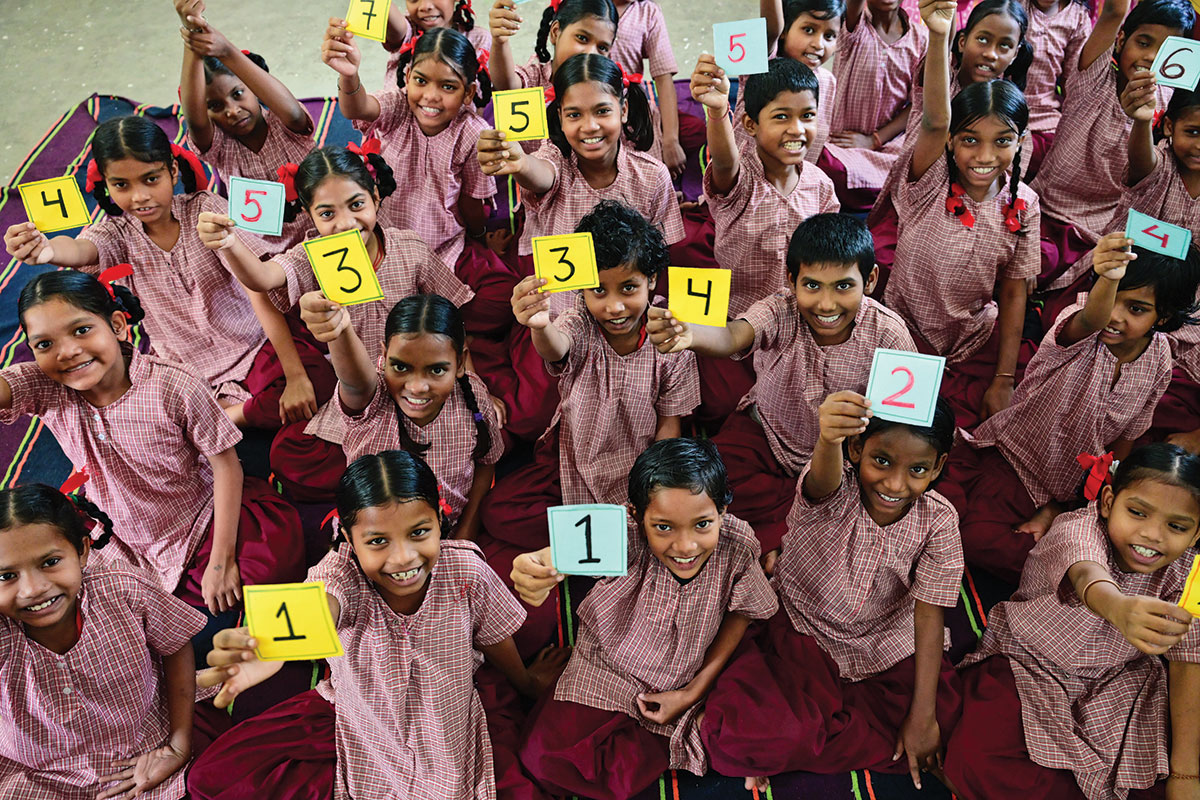
In education, more than 8 lakh children were engaged through programmes spanning early childhood care, foundational literacy and numeracy, secondary education, and STEM learning. Thousands of out of school children were mainstreamed into formal schooling systems. Multiple Gram Panchayats in Jharkhand and Odisha continued to be declared Child Labour Free Zones.
Tribal development initiatives under Samvaad brought together over 4,200 participants from 167 tribal communities in FY2025-26. The programme supported tribal artisans and community enterprises and mentored ~100 emerging tribal leaders through structured leadership pathways.

The Grassroots Governance System program enabled more than `601 crore in public entitlements related to social protection, housing, financial inclusion, and livelihoods. Gram Panchayat Development Plans aligned to localised SDGs were implemented across villages, accompanied by regular Gram Sabha participation. Inclusion focused initiatives expanded during the year. Sabal reached over 20,000 persons with disabilities through livelihood linkages, assistive devices, and institutional engagement. Women's leadership platforms such as Disha enabled thousands of women to participate in Panchayat level decision making and planning processes.

In urban areas, Masti Ki Pathshala supported children affected by homelessness, labour, and other vulnerabilities, with more than 50% of identified children mainstreamed into schools. Adult literacy and digital inclusion programmes were also implemented across urban communities. Environmental and climate linked community programmes created large scale water storage and strengthened drinking water infrastructure for nearly 2 lakh people, alongside biodiversity and native species conservation initiatives.

3.1+ lakh Women, children and adolescents impacted by MANSI+
~100 Emerging tribal leaders mentored through structured leadership pathways
Masti Ki Pathshala
Masti Ki Pathshala

The Grassroots Governance System program enabled more than ₹601 crore in public entitlements related to social protection, housing, financial inclusion, and livelihoods. Gram Panchayat Development Plans aligned to localised SDGs were implemented across villages, accompanied by regular Gram Sabha participation. Inclusion focused initiatives expanded during the year. Sabal reached over 20,000 persons with disabilities through livelihood linkages, assistive devices, and institutional engagement. Women’s leadership platforms such as Disha enabled thousands of women to participate in Panchayat level decision making and planning processes.

In urban areas, Masti Ki Pathshala supported children affected by homelessness, labour, and other vulnerabilities, with more than 50% of identified children mainstreamed into schools. Adult literacy and digital inclusion programmes were also implemented across urban communities. Environmental and climate linked community programmes created large scale water storage and strengthened drinking water infrastructure for nearly 2 lakh people, alongside biodiversity and native species conservation initiatives.

In India, employee participation reached new highs, with over 13,600 employees engaging in volunteering during FY2025‑26, recording the highest ever per capita volunteering hours for the Company. TSUK drove community support through countless fundraising initiatives, including Macmillan Coffee Mornings, Founder's Day events, Comic Relief and Children in Need. TSTH impacted 68,000+ beneficiaries through environmental conservation, livelihood and skill development, and social inclusion, supported by employee volunteering and strong community partnerships.

Strengthening community spirit through sports

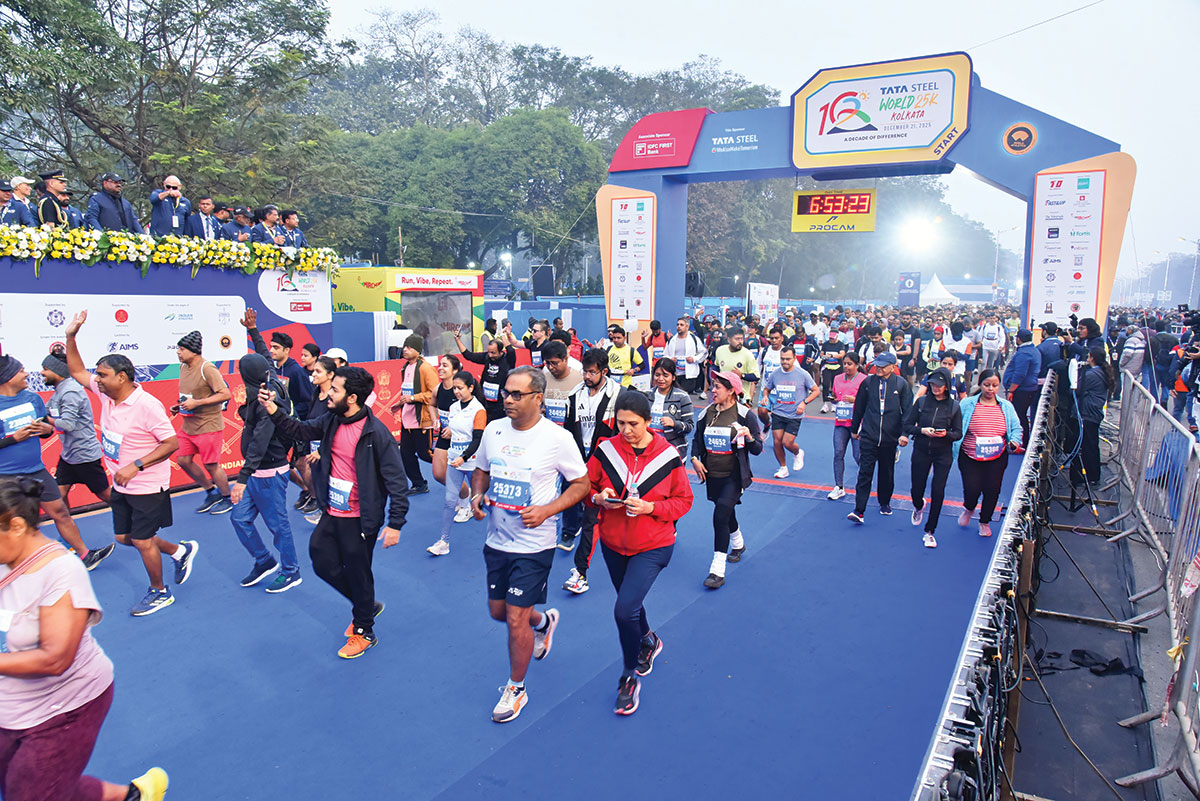
Celebrating its 10th edition, the landmark Tata Steel World 25K Kolkata attracted over 23,000 participants and raised `45.68 lakh for social causes, contributing to over `5.16 crore raised since inception for 114+ NGOs, making it the largest philanthropic platform in Eastern and Northeastern India. The Tata Steel Joda Run-a-thon 2025 drew over 4,600 runners under the theme "Green Today, Greener Tomorrow," with a pledge to plant one sapling per participant. The 10th Tata Steel Jamshedpur Half Marathon saw over 3,800 participants, promoting health and civic pride while advancing a near zero waste initiative in partnership with the Koru Foundation. The Tata Steel Kapilash Half Marathon in Odisha welcomed over 5,500 runners and, themed "Run to Protect Wildlife," raised awareness for elephant conservation in the Kapilash region, promoted healthy living, and honoured local legend Amar Shaheed Baji Rout.

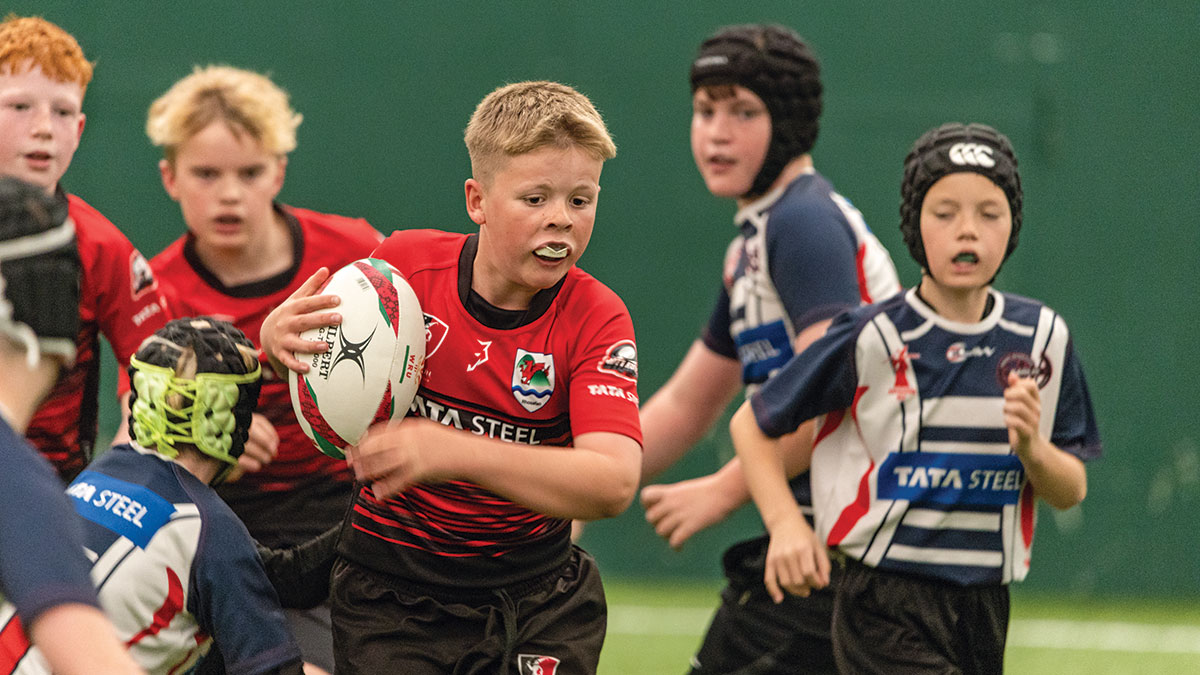
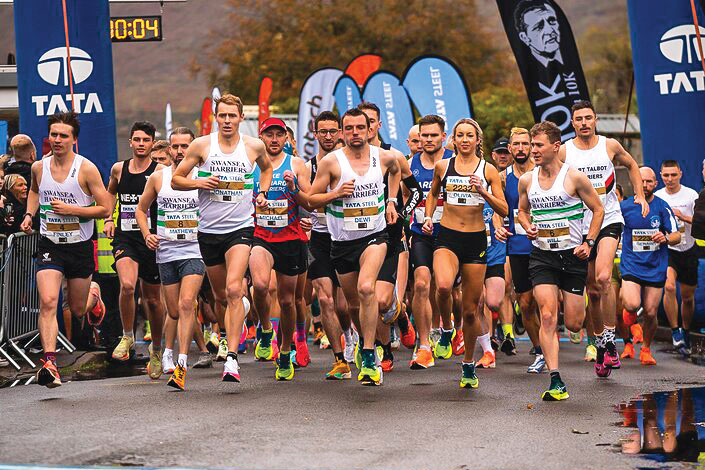
Similarly in TSUK, the Richard Burton 10K welcomed over 3,000 runners in November 2025, raising a record £60,000 for local charities; Tata Kids of Steel returned to the Shotton site, enabling thousands of children to experience swimming, running and cycling, often for the first time; the Tata Steel UK Wizards League marked its 16th year, having introduced thousands of children in Port Talbot to organised sport since 2010 through fully inclusive support; and in February 2026, the Llanelli Half Marathon started at the Trostre site for the first time, attracting runners of all abilities and raising tens of thousands of pounds for charitable causes.

23,000+ Participants at Tata Steel World 25K Kolkata run
3,000+ Runners welcomed at Richard Burton 10K
Richard Burton 10K, Port Talbot
Tata Steel World 25K Kolkata
Tata Steel UK Wizards League

Relationship Capital

Engaging with investors and analysts

Investors and lenders

Tata Steel's investors and lenders play a critical role in enabling strategic decision making, long term capital investment, and resilience through market cycles. In India, the Company continues disciplined capacity expansion anchored in capital prudence and a low cost operating model, while in Europe it is prioritising a value accretive transition through decarbonisation investments and progress on government-supported funding. Tata Steel engages regularly and transparently with investors, analysts, and rating agencies through quarterly disclosures, roadshows, ESG dialogues, and direct leadership access, supported by integrated and sustainability reporting aligned with global frameworks. This approach underpins efficient capital allocation, financial resilience, and long term value creation.

Customers

In addition to the digital platforms (please see Industry 4.0 in the Intellectual Capital section), product and engagement initiatives scaled significantly. Tata Tiscon SDCR, a corrosion resistant rebar, was launched across 37 coastal districts, alongside Tiscon EasyEMI, the first consumer finance programme for individual homebuilders, enabling `15 crore in disbursals across 750+ households. Customer engagement reached 2.1 lakh+ homebuilders, added 10,000+ ACEs (Architects, Contractors, and Engineers), and trained 1,000+ channel partners. Tata Shaktee and Tata Kosh engaged 55 lakh+ consumers, 1,000+ farmers, and 29,000+ channel partners, while loyalty programmes recognised ~9,000 dealers and ~14,000 fabricators, deepening channel collaboration and market reach.

Customer engagement in TSN is supported through direct dialogue, satisfaction surveys, complaint management and joint workshops and partnerships (including R&D trials). This enables alignment with the customer requirements and demand for responsible production and sourcing. In FY2025-26, TSN's focus on broader stakeholder engagement related to the Green Steel Plan enhanced transparency, reinforced customer confidence & market position and helped integrate expectations into decision-making.

In TSUK, Customer Service Representatives, supported by Account Managers, are typically the day-to-day point of contact for the customer, principally through email and telephone channels. Customers of the Strip, Tube and Distribution businesses also have access to Nexus, the online eCommerce portal (www.tatasteeleurope.com/nexus) which helps them track orders. TSUK also offers customers and other steel specifiers, engineers, and designers the opportunity to undertake Continuing Professional Development (CPD) training.

Engaging with investors and analysts
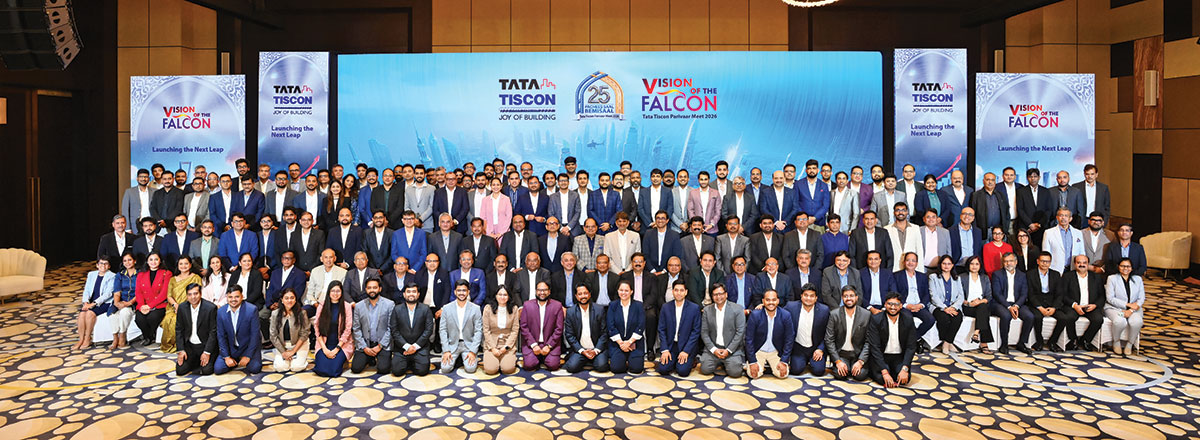
Parivaar Meet - the annual customer meet of Tata Steel Limited
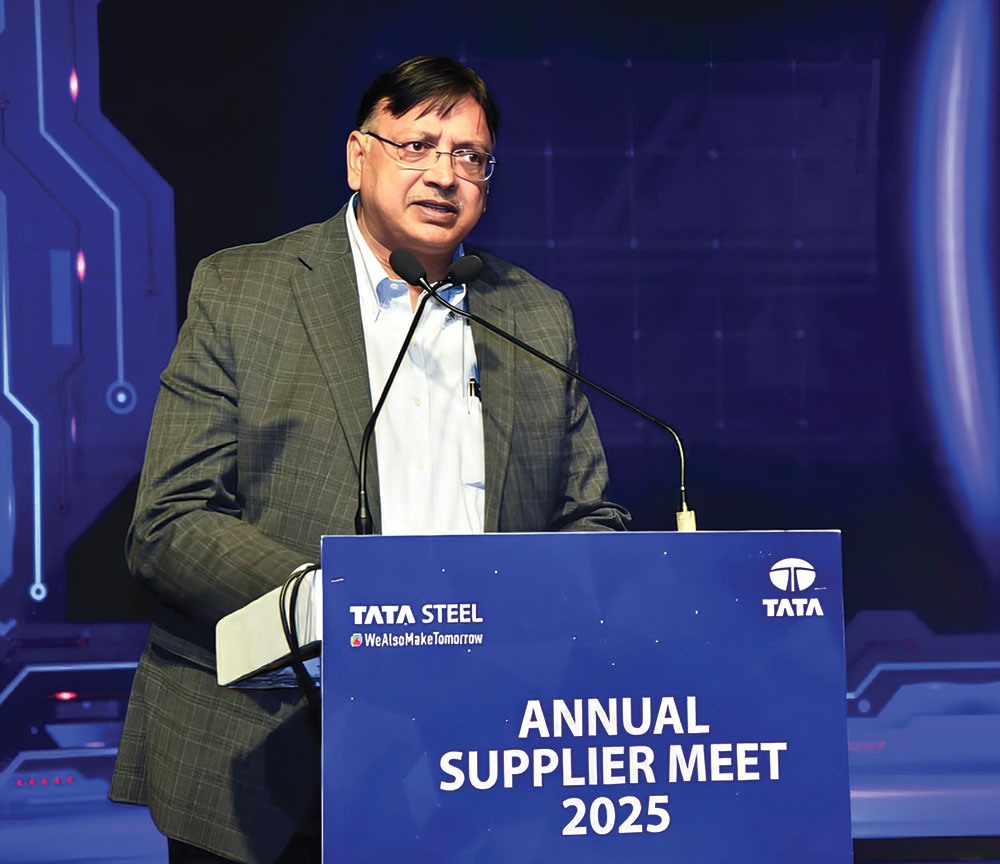
Annual Supplier Meet 2025

Vendor partners

During the year, the Company advanced implementation of its Responsible Supply Chain Policy (RSCP), embedding expectations on ethical conduct, human rights, health and safety, environmental stewardship, and community development. Through structured assessments, capability building programmes, and continuous dialogue, Tata Steel worked closely with suppliers to promote responsible sourcing and workforce welfare.

Supplier engagement was further deepened through platforms such as Supplier Relationship Management, Vendor Partner Connect, Vendor Capability Advancement Programme, Annual Supplier Meets, Technology Day, and the Swagat onboarding programme, enabling two-way communication and co-creation of solutions. Tata Steel also scaled its Affirmative Action programme, strengthening partnerships with SC, ST, and displaced person suppliers, while advancing localisation and indigenisation. These initiatives foster MSME development, enhance supply chain resilience, and reinforce Tata Steel's social licence to operate.

TSN's RSCP sets expectations for suppliers and value chain partners across key areas, including fair business practices, health and safety, human rights, environmental protection and local community considerations. Similarly, under TSUK's Responsible Sourcing Policy, vendor partners are engaged to encourage them to align their practices with the Company's evolving expectations and sustainability goals.

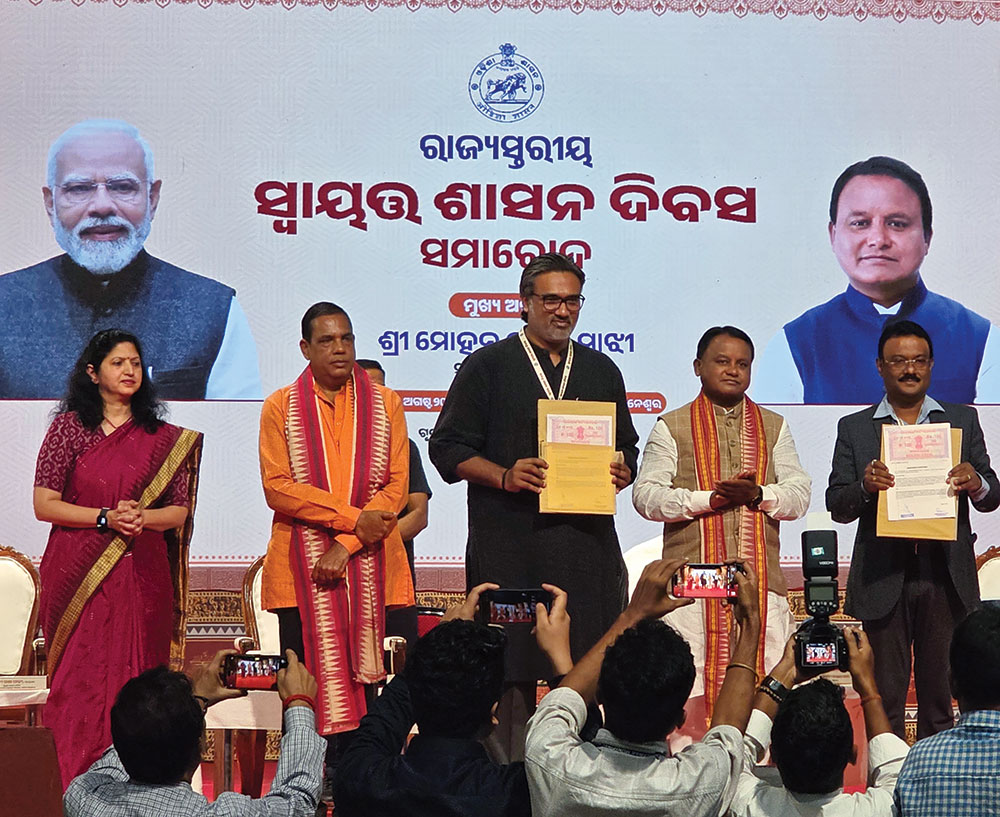
Tata Steel Foundation signed MoU with Government of Odisha
Tata Steel Foundation signed MoU with Government of Odisha to develop urban habitats for low-income groups

Government & Regulatory bodies

During FY2025-26, Tata Steel worked closely with government and regulatory institutions to advance policies that improve the ease of doing business and enhance the competitiveness of India's steel sector. Key focus areas included advocating a level playing field in international steel trade, supporting the growth of value added and specialty steels, and safeguarding the competitiveness of MSME steel consumers. Engagements also emphasised sustainability and circularity, including India's emerging Carbon Credit Trading Scheme, sustainable logistics solutions such as slurry pipelines and inland waterways, and improved steel scrap availability. Additionally, Tata Steel supported regulatory simplification, digitalisation of processes, infrastructure development aligned with the National Steel Policy, and reforms promoting workplace inclusivity.

Engagement with government and regulatory bodies remained central for the Green Steel Plan for TSN. Towards signing of the Joint Letter of Intent, discussions progressed on regulatory alignment and an optimal agreement to enable decarbonisation. TSUK engages and consults both Neath Port Talbot Council and the Tata Steel/Port Talbot Transition Board through the current process of transition to EAF steelmaking at Port Talbot. TSTH is proactively engaging with the regulatory landscape by providing technical feedback and opinions on the forthcoming Thailand Climate Change Act.

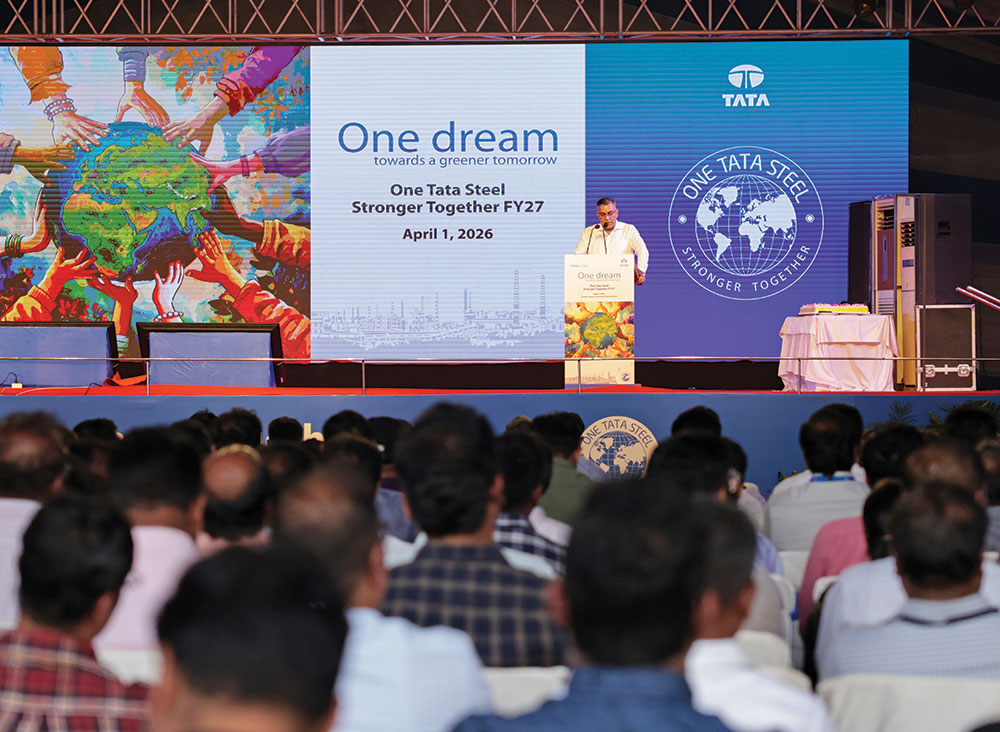
One dream — towards a greener tomorrow

Employees

Building on its people-first philosophy, Tata Steel has institutionalised multiple engagement forums, including CEO & MD interactions, senior leadership townhalls, youth platforms, and Joint Consultative mechanisms, enabling participative decision making and continuous dialogue. Investments in upskilling, leadership development, digital engagement, multilingual systems, and grievance redressal continue to strengthen a future ready workplace aligned with its DEI aspirations.

In Europe, workforce transitions are being managed through structured and transparent consultations. TSN is implementing a comprehensive transformation programme in collaboration with employee representatives, works councils, and trade unions. In the UK, the transition to low-emission steel is progressing in close coordination with unions, communities, and government, supported by reskilling, redeployment, and outplacement initiatives.

Rajiv Mangal with Tasar Silkworm farmers
Rajiv Mangal, Vice President (Safety, Health & Sustainability), with Tasar Silkworm farmers

Communities

With a strong legacy of community engagement, Tata Steel has successfully scaled and replicated its development projects across various locations. National and local needs are continuously addressed, resulting in a significant impact on communities. This progress has been made possible through public consultations, compliance with regulatory requirements, and dedicated efforts to reach the most underserved populations.

TSN engages local stakeholders to address environmental and social impacts, implement nuisance reduction measures, and collaborate on the transition to low-emission steel in the IJmond region.

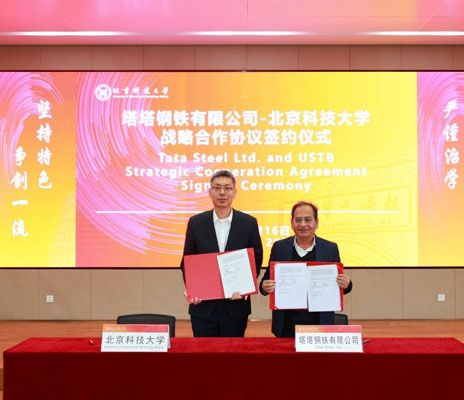
Subodh Pandey executed MoU with USTB
Subodh Pandey, Vice President (Technology, R&D, NMB and Graphene), executed MoU with University of Science and Technology Beijing

Academic institutions

Tata Steel has established multiple innovation centres in India and globally, leveraging the specialised expertise of leading academic and research institutes to co-create solutions across the steel value chain. To strengthen raw material innovation, the Company partnered with IIT-ISM Dhanbad to set up an Innovation Centre for Mining and Mineral Research, while its Centre for Innovation in Mobility (CIM) at IIT Madras supports advanced solutions for India's mobility sector. These collaborations extend beyond technology development by nurturing future R&D talent, accelerating technology readiness, de-risking innovation investments, and exposing academia to real world industrial challenges.

In March 2026, Tata Steel signed an MoU with the University of Science and Technology Beijing (USTB) to collaborate on low-carbon steelmaking technologies. The Company also maintains global research partnerships with institutions such as Monash University, the Henry Royce Institute, and Imperial College London, all contributing research aligned with Tata Steel's innovation priorities, sustainability goals, and long-term strategic objectives.

Industry bodies

Tata Steel actively engages with domestic and global industry associations including CII, FICCI, worldsteel, the Indian Institutes of Metals and ASSOCHAM. These platforms enable the Company to contribute to sectoral policy development, knowledge sharing and collaborative innovation on priorities such as energy transition, mining reforms, circular economy and fair international trade.

In May 2026, Tata Steel Nederland joined the European research project Circular Steel for Mass Market Applications (CISMA), which aims to develop high-grade steel produced entirely from recycled scrap using EAF technology. The CISMA consortium includes industrial and research partners from across Europe, including Volvo Cars, Electrolux Professional, voestalpine.

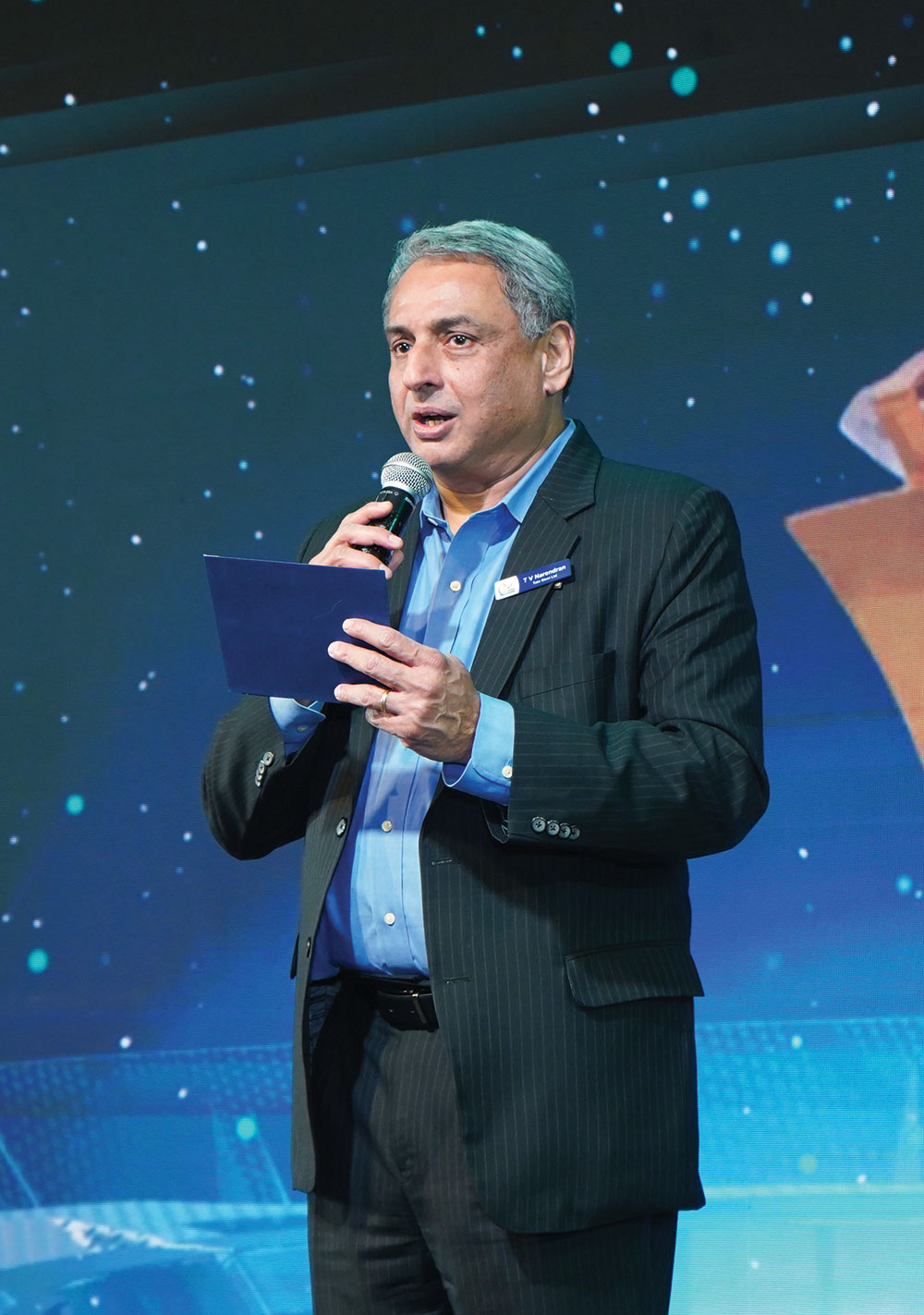
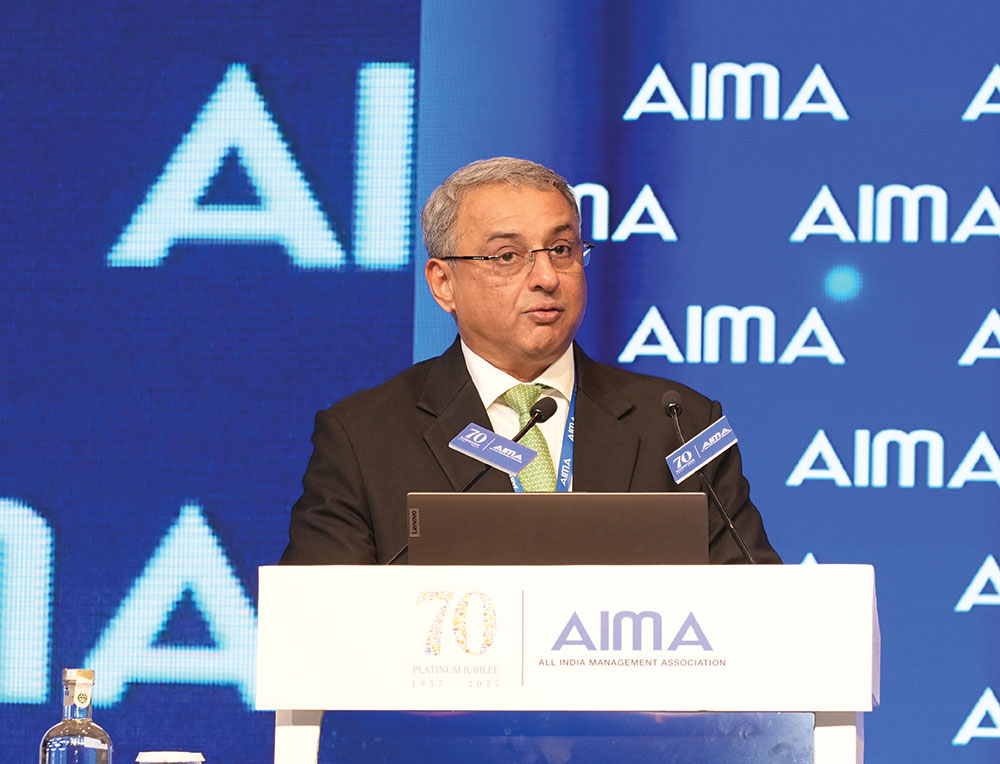
CEO & MD at AIMA Leadership Conclave

Media

Tata Steel engages proactively with the media to communicate its plans, performance, and values. The Company's media engagement strategy is focused on ensuring timely, fact-based, and thematic communication through interviews, press conferences, site visits, engagement activities, and regular media briefings. Tata Steel shares narratives not just on business performance but also on ESG leadership, technology, innovation, products, DEI, sports, and community impact.

The Company's regional and vernacular media outreach ensures that stakeholders in its operational geographies are well-informed and engaged. In the UK, our social media channels provide day-to-day updates, while our YouTube channel offers behind-the-scenes insight into the progress on the EAF project at Port Talbot. Through responsible media partnerships and transparent disclosure, Tata Steel aims to build credibility and foster greater understanding of our transformation journey.