One engineered system

Tata Steel’s integrated manufacturing ecosystem brings together worldclass assets, technology, and processes, enabling efficient, scalable, and sustainable operations while strengthening reliability, quality, and value creation across the entire value chain.

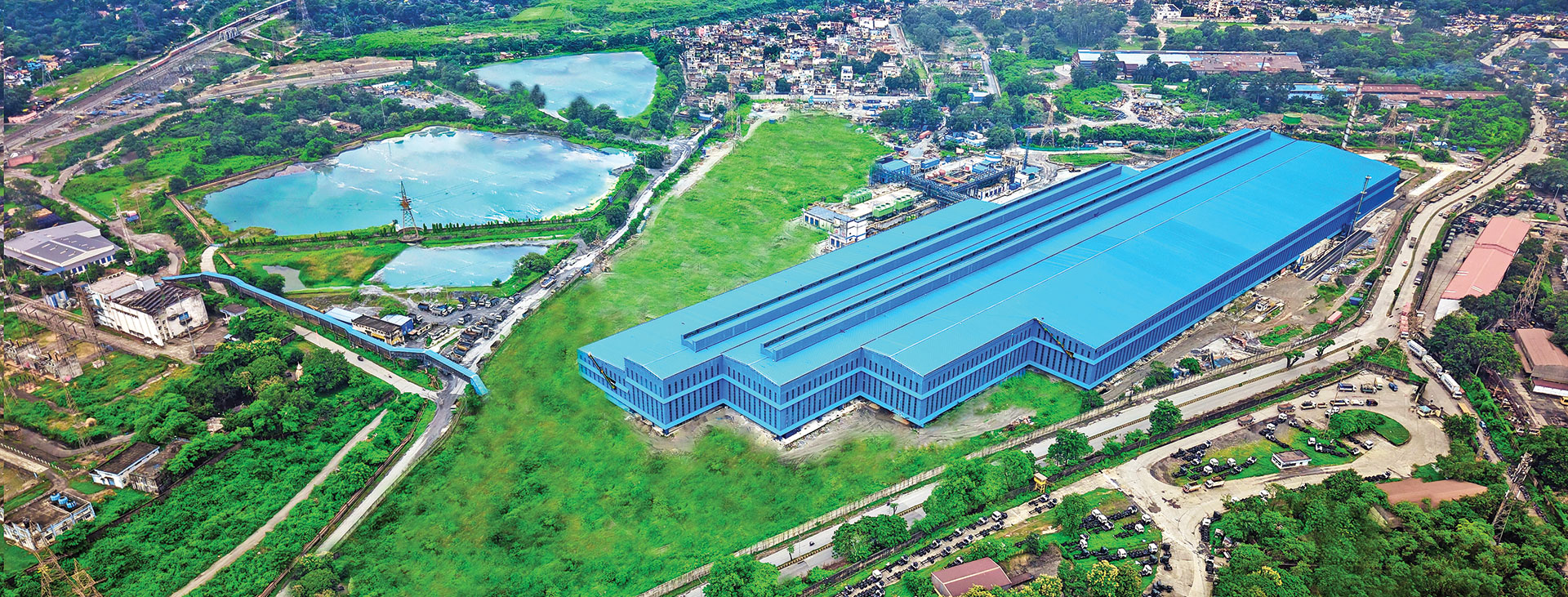
Combi Mill at Jamshedpur: A state-of-the-art facility designed for producing special bar and wire rod products

Capacities and asset base

Tata Steel operates large, integrated steelmaking facilities across key geographies. In India, the Tata Steel Jamshedpur (TSJ) plant has an installed crude steel capacity of 11 MTPA and is one of Asia's oldest continuously operating integrated steel sites. Tata Steel Kalinganagar (TSK), a state-of-the-art facility, is ramping up to its combined Phase I and II capacity of 8 MTPA, while Tata Steel Meramandali (TSM), with a 5.6 MTPA capacity, continues to strengthen its position as a major flat steel manufacturing hub. Tata Steel Gamharia (TSGh) contributes to the long products portfolio with ~1 MTPA capacity in speciality steels, and Neelachal Ispat Nigam Limited (NINL) supports long product manufacturing with ongoing capacity enhancements toward 4.8 MTPA. We have also inaugurated the 0.75 MTPA scrap-based EAF steelmaking unit in Ludhiana, Punjab.

TSN operates an integrated steelmaking facility at IJmuiden with capacity of ~7 MTPA, complemented by downstream finishing operations. In the United Kingdom, the Port Talbot transition will establish a 3.2 MTPA EAF-based steelmaking route. TSTH maintains a rolling capacity of 1.7 MTPA across rebars, wire rods, and sections.

0.75 MTPA EAF plant inaugurated in Ludhiana, Punjab (India)

Expansions and modernisation

The Company continues to invest in brownfield and greenfield expansions to enhance capacity, efficiency, and product capability. At Jamshedpur, the relining of the G Blast Furnace and downstream modernisation projects — including upgrades at the Hot Strip Mill (HSM), Cold Rolling Mill (CRM), and Thin Slab Casting and Rolling (TSCR) — have strengthened process capabilities and enabled production of advanced steel grades. At Gamharia, the commissioning of the 0.5 MTPA Combi Mill enhances competitiveness in the automotive segment.

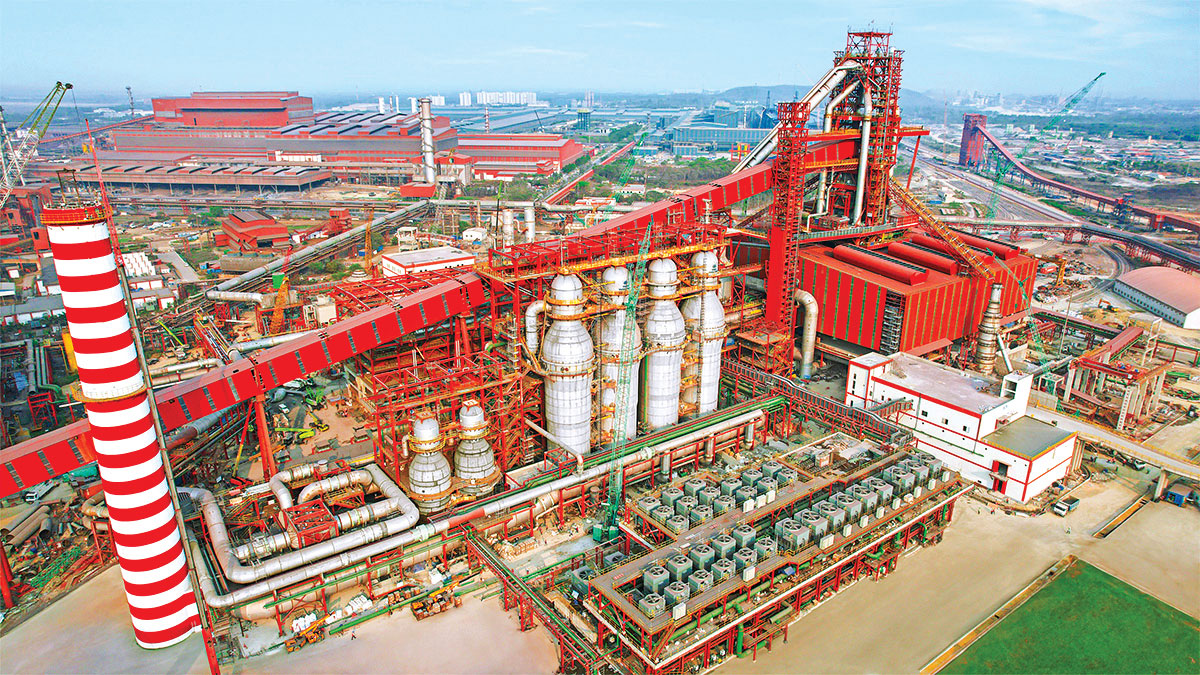
Kalinganagar marked a pivotal year with commissioning and ramp-up of Phase II assets, including BOF#3, Coke Plant#2, RHF#4, Caster#3, and Continuous Galvanising Lines (CGLs). These investments have enabled significant increases in production volumes across coke, sinter, pellet, hot metal, crude steel, and hot-rolled coils, while also expanding the product portfolio to advanced high-strength steels (AHSS) and coated products.

Similarly, TSUK has advanced its transition through the decommissioning of legacy blast furnaces and progress toward EAF installation at Port Talbot, supported by government funding and strategic partnerships.

TSN continues to advance its Green Steel transformation through its DRI–EAF transition under the SCALE programme.

Supply chain infrastructure has also been strengthened, including rail connectivity enhancements at Kalinganagar, development of new rail links such as Angul–Sukinda, and planned connectivity for NINL, ensuring seamless integration across the value chain.
Tata Steel Kalinganagar: A decade of excellence

Operational efficiency

At Kalinganagar, several units achieved their highest-ever production, supported by ramp-up of new assets and improved operational KPIs. NINL registered best-ever crude steel and sinter production, alongside significant reductions in raw material consumption and internal rejection rates. Gamharia achieved record production in sponge iron and coke, alongside improvements in fuel efficiency and raw material optimisation.

Process innovations, such as advanced automation, predictive maintenance systems, and ferro-alloy optimisation models, have enhanced operational reliability and reduced costs. Logistics efficiency has also improved through dedicated transport parks, vehicle tracking systems, and optimised dispatch planning.

Sustainability initiatives

Tata Steel continues to progress on decarbonising its value chain through circularity and resource optimisation. At Jamshedpur, 670 KT of scrap is utilised in LD converters, while NINL achieves full utilisation of process solid waste. TSM has enhanced waste recovery, and TSTH has reduced CO2 intensity to 0.59 tCO2/tcs, outperforming global averages. Environmental efforts are strengthened through zero effluent discharge initiatives, lower water use, extensive afforestation, and 59 MWp of rooftop and floating solar installations across Jamshedpur and Kalinganagar plants. The acquisition of the Vattenfall power plants in the IJmond region of the Netherlands, improves energy self-sufficiency at our IJmuiden plant and supports a cleaner power mix.

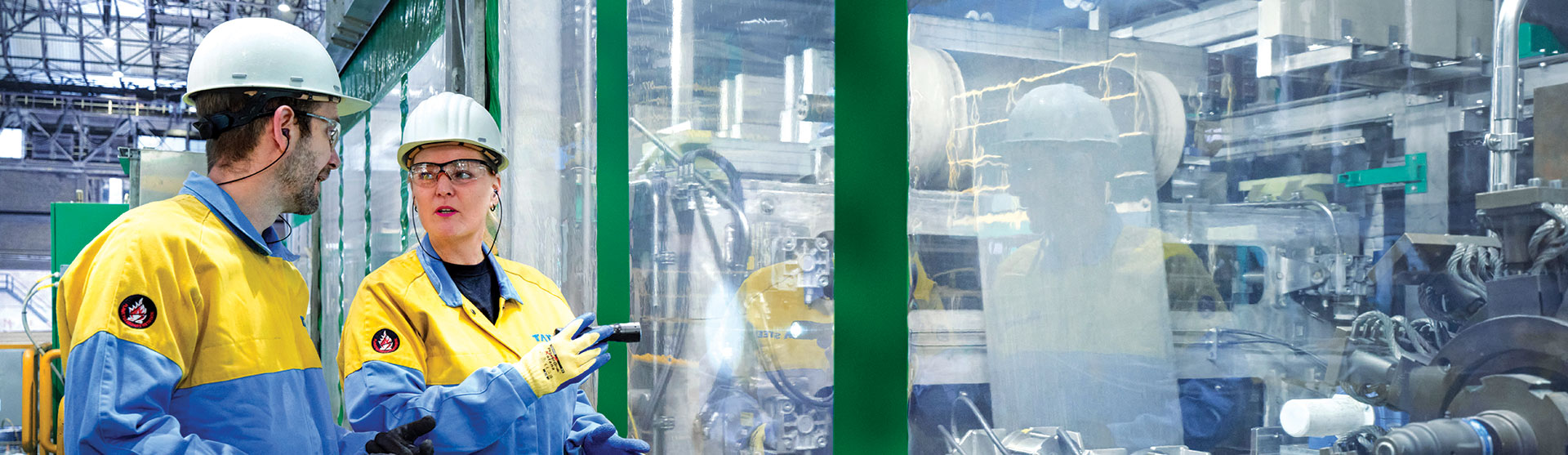
State-of-the-art Trivalent Chromium Coating Technology line, Tata Steel Nederland

The Company is also advancing low-emission logistics, including biofuel-based maritime shipments and deployment of alternative fuel vehicles, strengthening the sustainability of its extended manufacturing value chain. FY2025-26 marked a significant achievement, as Tata Steel became the first Indian steel company to execute a fully-laden raw material shipment, transporting fluxes from the UAE (Mina Saqr Port) to India, using a Capesize vessel powered by B24 biofuel. In parallel, our finished goods road transportation in India now operates a fleet of ~620 alternative-fuel vehicles. TSN offers Zeremis® Delivered, a low-emission logistics solution, helping customers achieve their sustainability goals.

Quality improvement and product development

Tata Steel continues to leverage its manufactured capital to deliver high-quality, value-added products tailored to evolving customer needs. Investments in downstream capabilities, such as galvanising lines and cold rolling facilities, have enabled the production of advanced grades, including AHSS for automotive applications, shipbuilding grades, API-grade steels, and specialised coated products.

At Kalinganagar, the development of high-strength automotive steels and coated products enhances the Company's position in premium segments. Gamharia has successfully developed new speciality grades, including EA(2) TiB and ER70S2, while TSM achieved industry-first approvals for specialised Polysteel products.

Quality improvements are driven by enhanced process control, digital monitoring, and investments in finishing infrastructure, ensuring superior surface quality, dimensional accuracy, and consistency. Global operations, including TSN and TSUK, continue to focus on producing differentiated flat products aligned with stringent customer specifications in automotive, construction, and packaging sectors.

TSN commissioned a new production line for packaging steel using the innovative Trivalent Chromium Coating Technology to produce packaging steel more sustainably. TSN is the exclusive developer of this innovation and holds the patent, setting the European standard for sustainable packaging steel production.

TSUK introduced Catnic SolarSeam®, an innovative bonded photovoltaic solution that delivers efficient renewable energy without visible frames and is guaranteed to operate for 25 years.

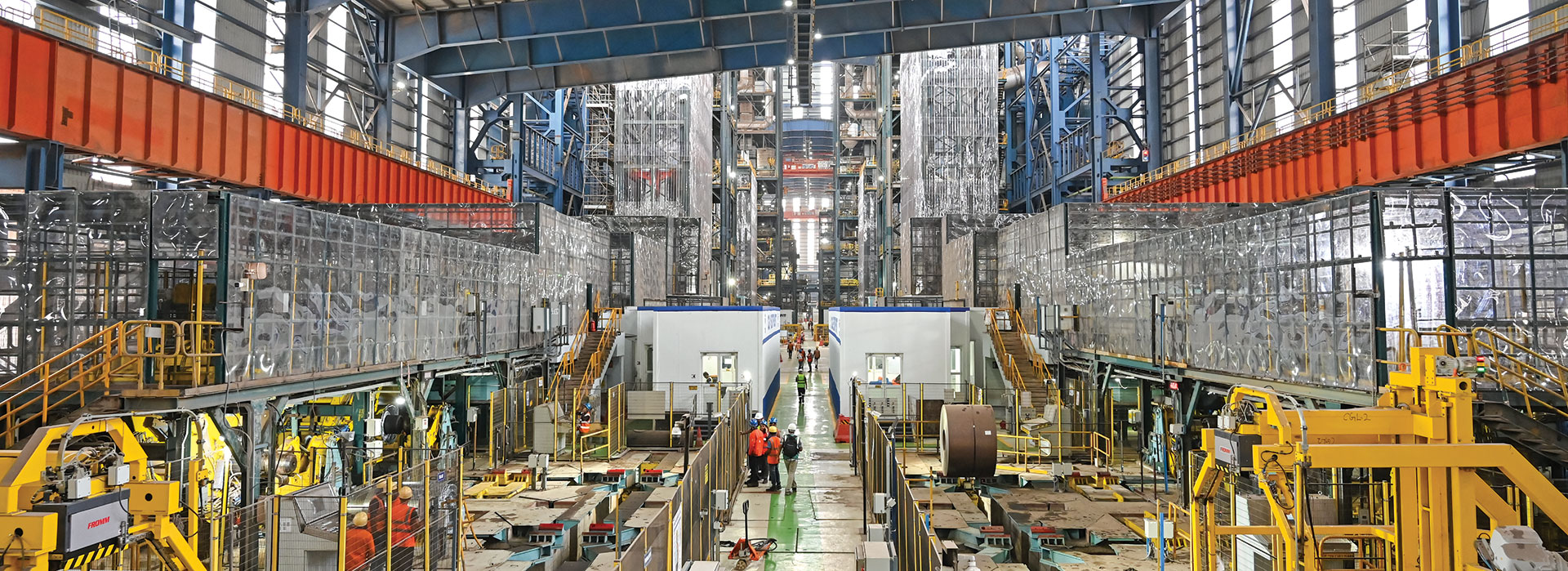
Continuous Galvanising Lines at Cold Rolling Mill, Tata Steel Kalinganagar