 STRATEGIC ROADMAP
Translating vision into strategic action
Tata Steel's long-term strategy integrates its vision, mission, and values with a comprehensive view of changing internal and external environment. This structured strategic roadmap is translated into long-term plans that guide the formulation of the Annual Business Plan.
Strategic Objectives
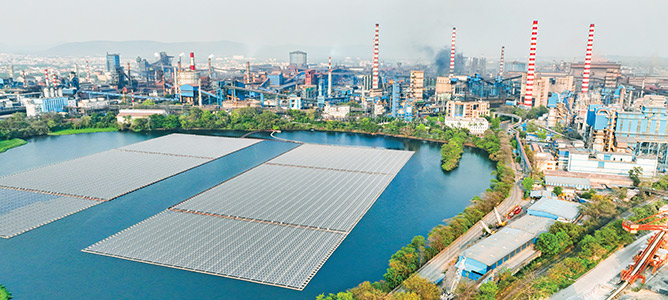
Tata Steel India
- Attain and retain leadership position in chosen segments
- Profitable growth in India
- Consolidate position as global cost leader
- Industry leadership in ESG
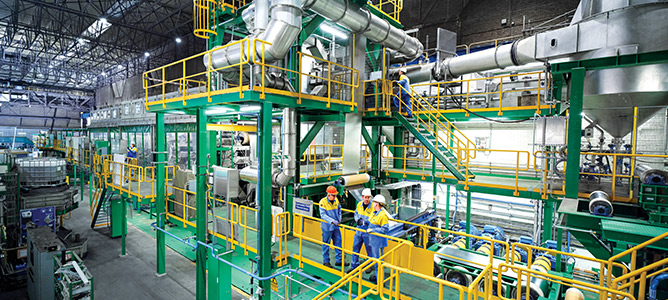
Tata Steel Nederland
- Be among the top 3 most profitable European steel companies through focus on green and high-value markets
- Transition successfully to green and circular steelmaking
- Build resilience and flexibility in operations and supply chains (including sourcing new energy and raw materials)
- Drive performance, transform the organisation and earn stakeholder trust to make the Company ready for the future
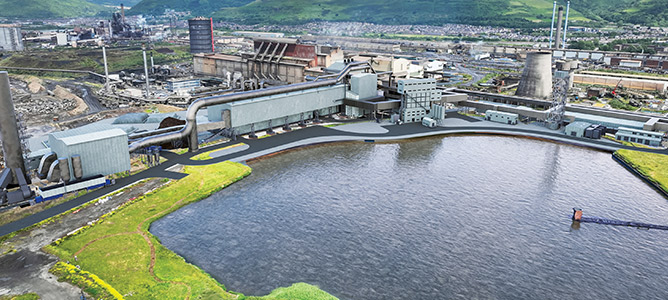
Tata Steel UK
- Ensure a safe and healthy workforce, minimise our environmental footprint, and accelerate a sustainable transformation for future generations
- Profitability through the cycle
- Transition to EAF operations through efficient and reliable project delivery
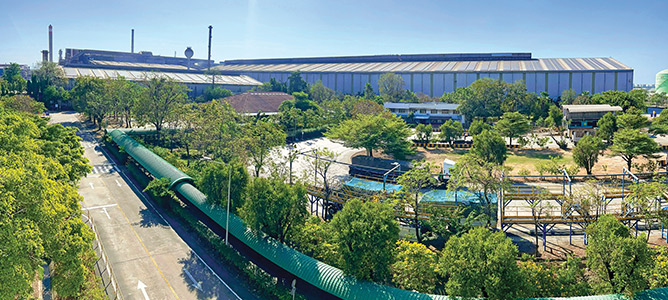
Tata Steel Thailand
- Industry leadership in chosen segments
- Healthy financial position
- Operational efficiency and plant reliability
- Industry leader in Safety, Environment, CSR, and Corporate Governance
Strategic Enablers
Tata Steel India
Attain and retain leadership position in chosen segments
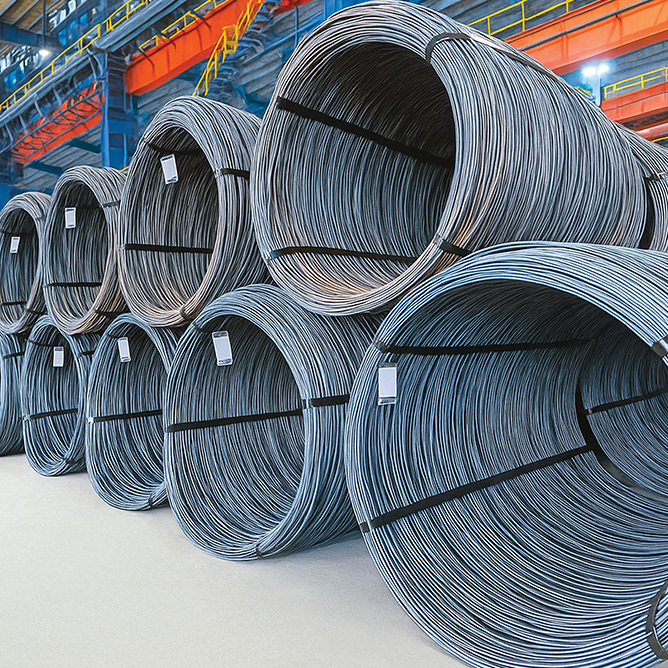
Downstream value play: Moving up the price ladder by shifting the product mix from commodity hot-rolled coils toward high-margin, value-added products (Coated steel, Tubes, Tinplate, and Wires).
Supplier of choice: Dominating key segments like Automotive, High-Margin Retail, MSMEs, Infrastructure/Construction, and entering new frontiers (Shipbuilding, Data Centers, Oil & Gas).
Customer experience transformation: Shifting from a simple steel provider to a solution partner using digital platforms and extensive distribution networks.
Progress till FY2025-26
- Commissioned the CR Downstream Narrow Cut-To-Length line and Continuous Galvanising Line #2 (producing high-end coated products like Zn-Al-Mg and Al-Si) at the 2.2 MTPA Kalinganagar Cold Rolling Mill complex
- Added 0.3 MTPA in the Tubes segment, including a 0.1 MTPA DFT (Direct Forming Technology) line in Jamshedpur, and commissioned a 42 KTPA LRPC line in the Wires segment
- Established a multi-pronged market footprint with over 80 steel processing centres, 35 construction service centres, 22 stockyards, and 20+ brands serving more than 80 micro-segments
- Reached $1 billion in sales via digital platforms in FY2025-26. Successfully deployed tech solutions like TISCA on WhatsApp for dealers and the Aashiyana conversational bot for home builders, engaging over 25,000 retail influencers
Key targets
Tubes capacity expansion
Wires capacity expansion
Tinplate Phase 1 capacity expansion
(long-term target: 1 MTPA)
Progress with the construction of the
0.7 MTPA HRPGL
(Hot Rolled Pickling & Galvanising Line) complex
in Maharashtra to serve automotive, solar, and construction clients
Profitable growth in India
Capitalising on Indian market demand: Aligning capacity expansions with India's structurally attractive market, where steel demand growth is outpacing GDP growth.
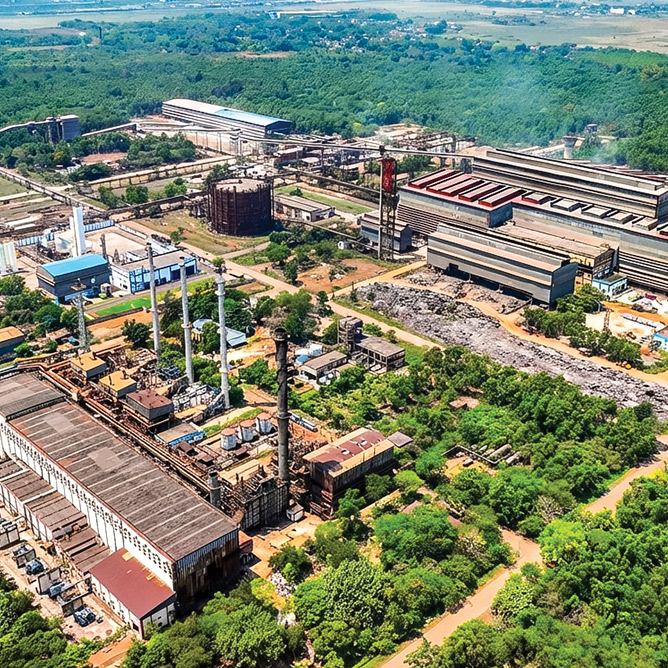
Capacity doubling and asset integration: Scaling up production through organic expansions and the successful integration of strategic acquisitions (Bhushan Steel, Usha Martin - Steel Business, NINL) to cross a 40 MTPA capacity threshold.
Flexibility and product optionality: Calibrating flat vs. long product expansions dynamically based on evolving market needs.
Progress till FY2025-26
-
Indian steelmaking capacity grew from 13 MTPA in FY2017-18
to 27.4 MTPA in
FY2025-26 - Successfully scaled Tata Steel Meramandali (5.6 MTPA), Tata Steel Gamharia (~1 MTPA specialty steel), and NINL (~1 MTPA)
- Advanced the 5 MTPA Kalinganagar expansion alongside its 2.2 MTPA CRM complex
- Consolidated EBITDA improved by ~320 bps y-o-y for FY2025-26 despite global macroeconomic headwinds
Key objectives
4.8 MTPA expansion at NINL
as a strategic complex for long products
2.5 MTPA TSCR
(Thin Slab Caster & Rolling facility)
at Tata Steel Meramandali
New iron ore hub
in Gadchiroli
6 MTPA greenfield plant
in Maharashtra in partnership with Lloyds Metals & Energy Limited
Consolidate position as global cost leader
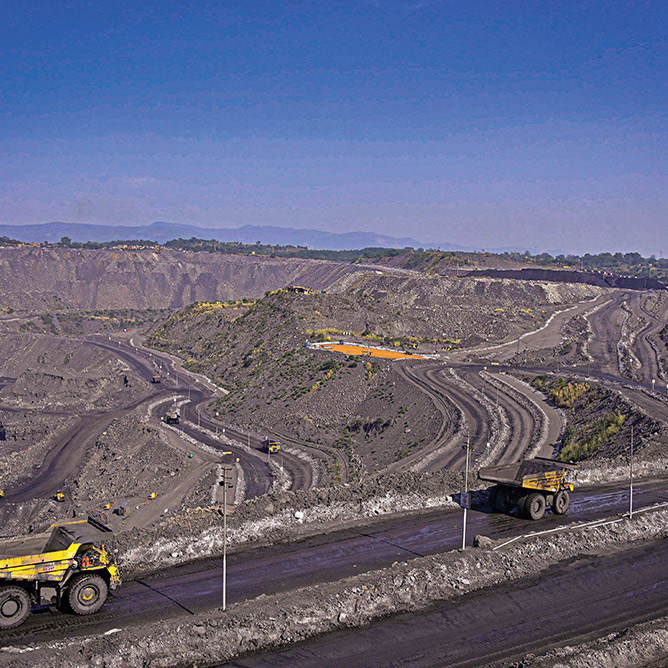
Structured cost transformation: Running organisation-wide efficiency programmes targeting raw materials, power, fuel, and supply chain logistics to cushion margins across volatile commodity cycles.
Digital & AI integration (manufacturing excellence): Embracing Industry 4.0, Artificial Intelligence, and automation to minimise plant delays, cut fuel waste, and drive structural workforce productivity.
Optimised capital structure: Shifting debt on-shore to drive efficiency, optimising working capital, and maintaining disciplined capital allocation.
Progress till FY2025-26
- The FY2025-26 cost transformation programme delivered ₹10,868 crore (~$1.2 billion) in savings, representing a 95% compliance rate against the ₹11,500 crore target
- Raw material efficiency (46%), Power & Fuel (36%), Stores, Repairs & Maintenance (18%)
- Deployed AI models to reduce fuel consumption and successfully cut delays of super-critical manufacturing equipment by 92%
- Maintained consistent returns, paying out ~$2.5 billion (₹23,000 crore) in dividends over the last 5 years, with the FY2025-26 dividend standing at ₹4 per share
Key targets
₹7,100 crore
savings in FY2026-27 under the next phase of targeted cost-reduction initiatives
Gen AI deployment
across the organisation to accelerate technical stack modernisation, global reporting collaboration, and workforce optimisation
Industry leadership in ESG
Decarbonisation pathways: Accelerating the shift toward green steel through scrap-based Electric Arc Furnaces (EAF), alternative fuels (bio-char, natural gas), and breakthrough technology like HIsarna.
Circular economy and resource conservation: Targeting 100% material efficiency, zero effluent discharge, and radical reductions in dust, noise, and hazardous air emissions.
People and community safety: Investing in organisational upskilling for green technologies, mental wellness, and community co-existence.
Progress till FY2025-26
- Inaugurated the 0.75 MTPA scrap-based EAF plant in Ludhiana, designed to operate at an ultra-low emission intensity of <0.3 tCO2e per tonne of crude steel (utilising 40% scrap from the Rohtak recycling plant)
- Advanced the transition plan in the UK and the Netherlands. Over €300 million has been spent on 'Roadmap Plus' sustainability initiatives in Europe, leading to significant drops in dust (PM10 down 41%) and PAH emissions down 50%)
- Finalised a £1.25 billion EAF project framework in the UK, backed by £500 million in UK Government funding
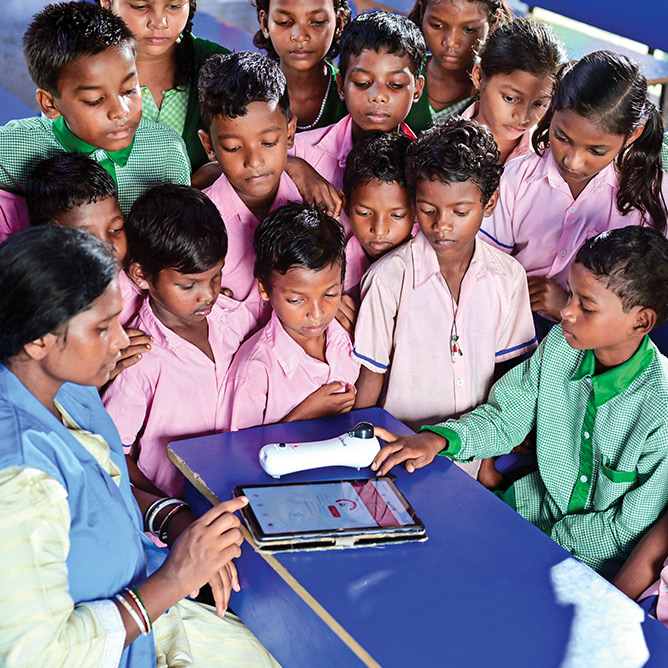
- Launched organisation-wide GenAI learning, established mental health first-aiders, and leveraged AI to provide actionable safety insights at manufacturing plants
Key targets
10-15% reduction
in emission intensity for Tata Steel India by 2030 (compared to the FY2024-25 baseline)
100% material efficiency
at all Indian steelmaking sites by FY2030-31
Zero Effluent Discharge
at all steelmaking sites in India by FY2026-27
HIsarna Technology
Set up a 1 MTPA demonstration plant in Jamshedpur
For more details, please refer to the ESG Goals section