Materiality
Tata Steel’s material ESG priorities are identified through extensive stakeholder engagement and rigorous assessment to guide strategic decision-making and deliver sustainable, long-term value.
Ensuring business resilience
Tata Steel conducts materiality assessments every three years to assess risks and opportunities that are important for both our internal and external stakeholders. This process is crucial for refining and improving our ESG strategy, as well as shaping the Company's strategy for the short, medium, and long-term.
The last assessment, which took place in FY2022-23, was a double materiality assessment that included input from stakeholders across all our operating regions: India, Thailand, the Netherlands, and the UK. We adopted a dual approach to assess the significant impacts that society, the environment, and the economy have on our business, as well as the effects our operations have on economic, environmental, and social well-being.
This engagement aids in identifying potential market risks and formulating swift strategies to address them. Additionally, the key KPIs of our material topics are being aligned for independent assurance and audits annually, ensuring that we consistently meet both our Company standards and industry benchmarks.
Materiality assessment process
There are two aspects to materiality assessment adopted by Tata Steel:
Impact Materiality
- Determined by the scale, scope, and irreversible nature of the impact, this factor considers the effects on both people and the environment.
Financial Materiality
- Determined by the risks and opportunities, this factor considers the impact on the organisation’s financials.
The FY2022-23 material assessment was performed on a consolidated basis through a systematic stakeholder consultation led by an independent agency, following best-in-class international standards.
The assessment is aligned with the guidance from International Standard Setting Bodies, including but not limited to Global Reporting Initiative (GRI), Sustainability Accounting Standards Board (SASB) and the Integrated Reporting <<IR>> Framework, covering both general standards and sectorspecific standards related to iron and steel, and metals and mining industries. Material topics are further linked to the requirements of GRI, SASB, World Steel Association (WSA), Business Responsibility and Sustainability Reporting (BRSR), and World Economic Forum (WEF).
Stakeholders considered
Based on the AA1000 Stakeholder Engagement Standard, 2015, Tata Steel’s insights and their independent assessment, the independent agency identified the following stakeholders for the purpose of materiality assessment are:
Investors and Lenders
Customers
Vendor Partners/Suppliers
Government and Regulatory Bodies
Employees
Community
Media
Industry Bodies
Senior Management
Contract Workforce
NGOs
High priority materiality issues on a consolidated basis
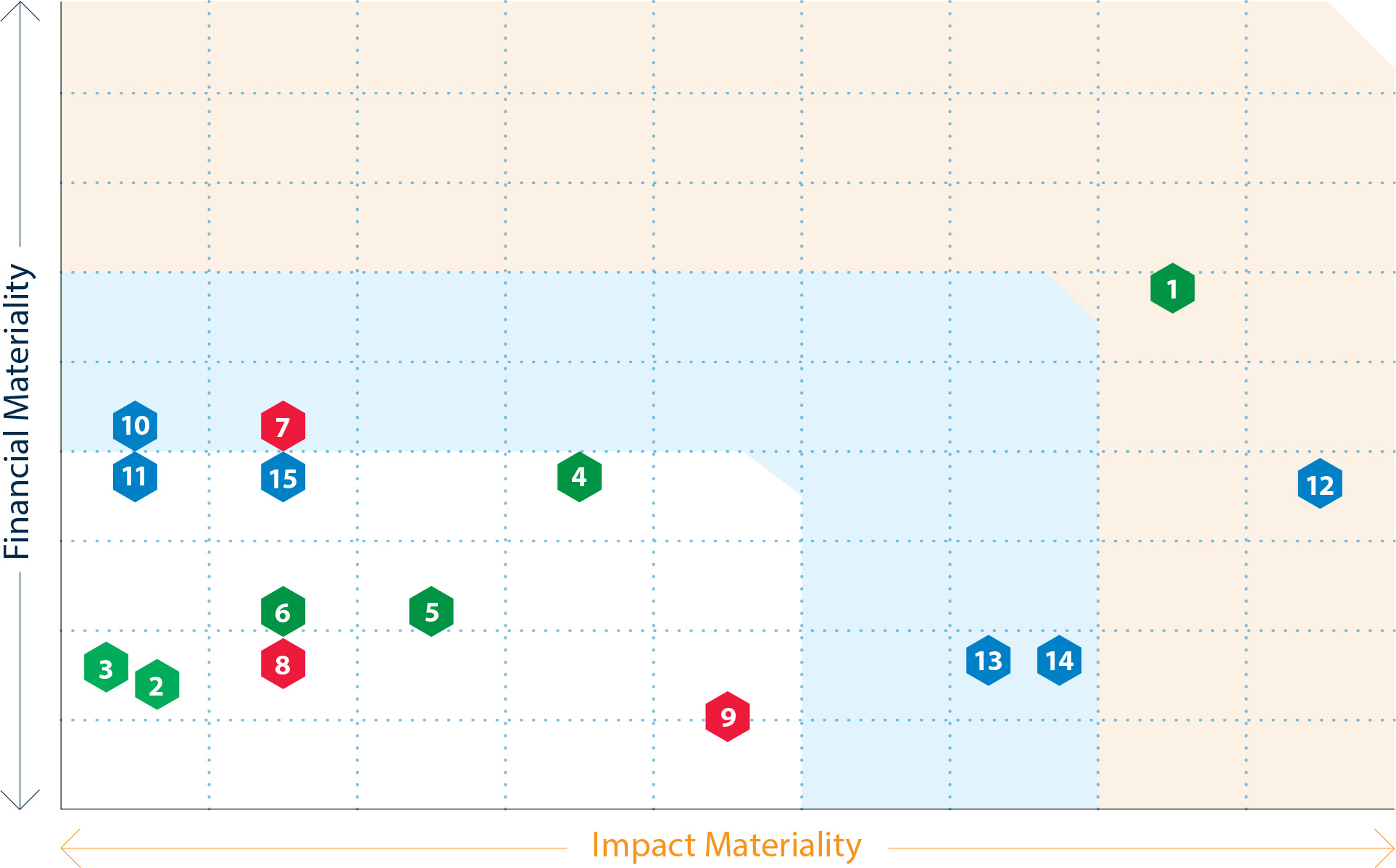
Greenhouse Gas Emissions and Climate Change Management
Circular Economy/Recycling of By-products
Water Consumption and Effluent Discharge
Energy Efficiency/Energy Management
Air Pollution/Air Quality Management
Biodiversity
Occupational Health and Safety
Employee Well-being and Development
Community Support and Building Thriving Communities
R&D Technology, Product and Process Innovation
Supply Chain Sustainability
Corporate Governance
Business Ethics, Integrity and Transparency
Stakeholder Engagement
Risk Management

Financial
Capital

Manufactured
Capital

Intellectual
Capital

Human
Capital

Social and Relationship
Capital

Natural
Capital

Integration of materiality assessment results into the ERM Framework
All 15 ESG issues identified are mapped to the framework, ensuring that key sustainability concerns are effectively integrated. This comprehensive approach allows us to manage risks more thoroughly and supports our long-term sustainability goals.
| Environment | ||
|
GHG Emissions and Climate Change Management 

|
||
| For details, please refer to the Climate Change report |
|
|
|
Circular Economy/Recycling of By-products 

|
||
Tata Steel follows two approaches for value creation from
waste and by-products:
|
|
|
|
Water Consumption and Effluent Discharge


|
||
|
|
|
|
Energy Efficiency/Energy Management
|
||
|
|
|
|
Air Pollution/Air Quality Management

|
||
|
|
|
|
Biodiversity
|
||
|
|
|

| Social | ||
|
Occupational Health and Safety
|
||
|
|
|
|
Employee Well-being and Development

|
||
|
|
|
|
Community Support and CSR Building Thriving Communities


|
||
|
|
|
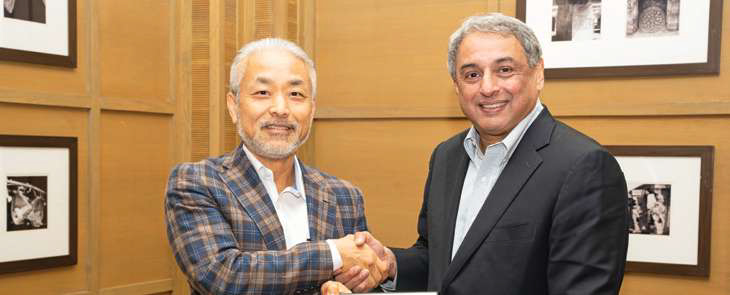
Celebrating the milestone of 1 million tonnes of steel supplies to Toyota
| Governance | ||
|
R&D/Technology, Product and Process Innovation
|
||
|
|
|
|
Supply Chain Sustainability
|
||
|
|
|
|
Corporate Governance
|
||
|
|
|
|
Business Ethics, Integrity, and Transparency
|
||
|
|
|
|
Stakeholder Engagement
|
||
|
|
|
|
Risk Management
|
||
|
|
|